









Gaming has become a beloved pastime for many, and the PS5 controller is a crucial component of this experience. With its innovative features, it not only enhances gameplay but also redefines interaction. In this blog, we’ll uncover the secrets behind the PS5 controllers that make them an essential tool for immersive gaming.

The Evolution of the PlayStation Controller
Before diving into the PS5 controller, it’s important to understand how the PlayStation controller has evolved. Starting from the original gray controller to the innovative design of the DualSense, this evolution reflects the growing demands and expectations of gamers. Early PlayStation controllers were simple, yet effective, catering to a time when gaming was just starting to gain its foothold in the digital world. The introduction of analog sticks was the first major leap, offering better control and precision—a feature that became seminal for 3D gaming worlds.
With each iteration, the PlayStation controller has steadily embraced more advanced technology. The advent of wireless capabilities with the DualShock 3 paved the way for untethered gaming, offering players the freedom to move without the constraints of cables. The PlayStation 4’s DualShock controller introduced a host of new features, with its built-in touchpad offering an innovative method of interaction that was previously unseen in mainstream console gaming. This trend of constant innovation set the stage perfectly for the arrival of the PS5’s DualSense controller, fundamentally shifting how players interact with their games.
The DualSense controller doesn’t merely rely on past iterations for its success; instead, it breaks new ground in the gaming industry. Built around player immersion and realistic experiences, the PS5 controller has become an exemplar of modern gaming peripherals. By incorporating features like haptic feedback and adaptive triggers, Sony has not only met gamer demands but has elevated them, creating a more visceral and engaging gaming experience. These revolutionary features are no mere gimmicks; they represent a tactical shift in how game developers think about player interaction, offering new possibilities for game design.
Key Features of the PS5 Controller
The PS5 controller introduces several groundbreaking features, such as adaptive triggers and haptic feedback. These advancements have revolutionized how gamers interact with their games, offering a more tactile and immersive experience. Unlike traditional rumble technologies, the DualSense’s haptic feedback provides varied textures and physical sensations, allowing players to feel more connected to the game world. Imagine the sensation of feeling raindrops in a game or the texture of different surfaces as you explore vast online worlds.
The adaptive triggers are equally impressive, offering varying levels of resistance tailored to the gameplay context. This means that the sensation of drawing a bowstring in an archery game or the recoil of firing a weapon in a fast-paced shooter can be distinctly felt through the triggers. Such attention to detail enhances the realism of gaming, making components like accuracy and timing even more crucial to player success. These innovations not only redefine the gaming experience but also provide developers with new tools to craft more engaging games.
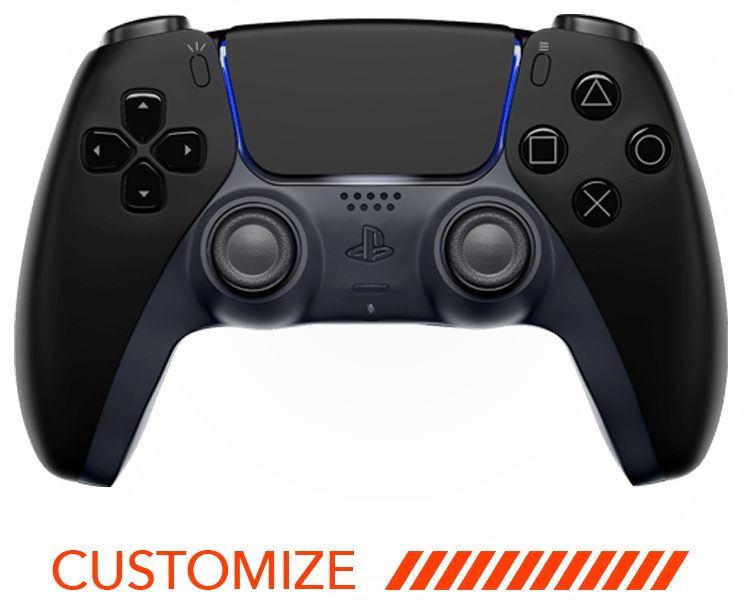
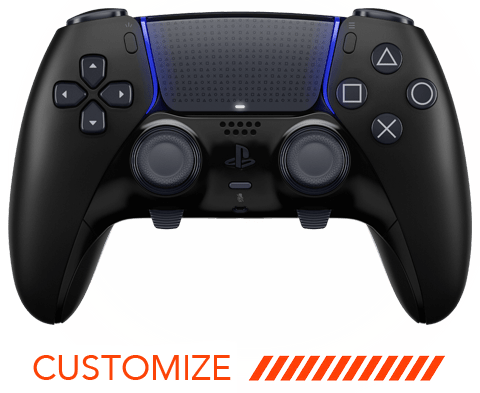
Beyond its technical capabilities, the PS5 controller boasts an ergonomic design that has been praised for comfort and extended usability. Its contouring is crafted to fit a wide range of hand sizes, ensuring that gamers can play longer without discomfort. With built-in microphones and speaker arrays, players can engage in chat and audio functionalities directly through the controller, further simplifying the gaming setup and maintaining immersion. Such carefully thought-out enhancements mark the DualSense as not just another controller, but a crucial part of the next-gen gaming package, pushing boundaries and expanding the horizons for both players and designers.
Understanding Adaptive Triggers
Adaptive triggers offer varying levels of resistance, simulating real-world actions like pulling a bowstring or accelerating a car. This feature enhances the realness of gameplay, making players feel more engaged and in control. But what exactly makes adaptive triggers so special? Their ingenuity lies in their ability to change resistance dynamically, based on particular in-game scenarios. As you progress through different levels and environments, the tension in the triggers responds in kind, providing a tactile representation of the in-game action, enhancing decision-making and reflexes.
The implementation of adaptive triggers provides a layer of depth to the gaming experience that didn’t exist before. In racing games, you might experience gradual build-up in resistance as you accelerate a car or feel the tires grip the road differently depending on the terrain. It’s details like these that bring games to life and make each moment memorable. The ability to replicate true-to-life sensations means that even well-known gameplay mechanics can feel fresh and exciting, enticing both new players and seasoned veterans alike to appreciation for nuanced controls.
In games packed with action, such as first-person shooters, adaptive triggers provide a sense of weight and power unique to each weapon. This not only brings dramatic authenticity to gameplay but also encourages strategic thinking—players must consider how weapon behavior may impact their performance in various scenarios. Such innovations exemplify how hardware and software can work in tandem to create immersive experiences. By integrating seamlessly with the game’s narrative and mechanics, the adaptive triggers help solidify the PS5’s place as not just a console but a fully immersive gaming experience.
The Role of Haptic Feedback
Haptic feedback provides nuanced vibrations that mimic the physical sensations of the game environment. From subtle footstep vibrations to the intense rumble of an explosion, this feature deepens the sensory connection to the game. Think about how it feels to walk through a gritty landscape, each step sending slight tremors through the controller, or the sudden surge as a character jumps into icy waters, the chill almost palpable through tiny detailed vibrations. Such tactile storytelling layers enrich the gaming narrative by heightening environmental awareness.
The expressive capabilities of haptic feedback extend beyond typical vibrations used in previous generations. The technology leverages variegated patterns and intensities to simulate virtual environments, offering sensations that adapt to specific gameplay contexts. During a rainstorm, players might experience gentle, rhythmic taps in their palms, matching the drops that fall persistently in-game. These subtle cues convey atmosphere and urgency, pushing the boundaries of what players can physically perceive in a game, adding a rich layer of immersion that further solidifies the connection between the player and the gaming world.
Games integrate haptic feedback as more than just another feature; they utilize it as a storytelling tool. Whether used to simulate the heartbeat of a character during a tense battle or to accentuate the triumph of scoring a goal, these detailed interactions inject emotion into gameplay. Players form nuanced associations with in-game actions and choices, grounded in the physical feedback from the controller. Developers continue to explore this vital connection between sensory input and psychological engagement, promising even more immersive gaming experiences for PlayStation enthusiasts in the future.
Tips for Optimizing Your PS5 Controller Experience
To get the most out of your PS5 controller, consider customizing button configurations and experimenting with sensitivity settings. These adjustments can provide a more personalized gaming experience, allowing you to adapt the controller to your style of play. For those who play a variety of game genres, creating game-specific profiles enables quick and efficient transitions between different control schemes. Additionally, learning the balance between sensitivity and stability ensures that your gameplay remains smooth and intuitive, matching your individual gaming preferences.
Battery management is crucial to maintaining consistent performance. Keeping the controller charged and utilizing features like power-saving modes help to extend playtime and reduce interruptions. Additionally, maintaining the controller’s physical condition by regularly cleaning and caring for it can enhance its longevity and functionality. Installing controller updates, when available, ensures your device leverages the latest software optimizations, supporting improved features and refined responsiveness, guaranteeing you remain at the cutting edge of immersive gaming experiences.
Engaging in community discussions provides additional insights into maximizing the capabilities of your PS5 controller. Discovering tips and tricks from other gamers via forums can introduce novel ways to enhance your play, such as uncovering hidden settings or innovative use cases for the controller features. This collective knowledge fosters a community eager to explore and share the diverse possibilities of the PS5 technology, driving innovation and creativity within the realm of gaming.
Embrace the Power of the PS5 Controller
The PS5 controller is more than just a tool—it’s a gateway to a new level of gaming experience. By understanding its features and capabilities, players can truly enhance their playtime. Whether it’s through adaptive triggers or haptic feedback, the secrets of the PS5 controller lie in its ability to connect players more deeply to their games.